


The Real Difference Between Winning and Losing in Online Casinos
Ask ten gamblers why they lose and you'll get ten different answers, most of them wrong. They'll blame the software, the dealer, the algorithm, or a stretch of…
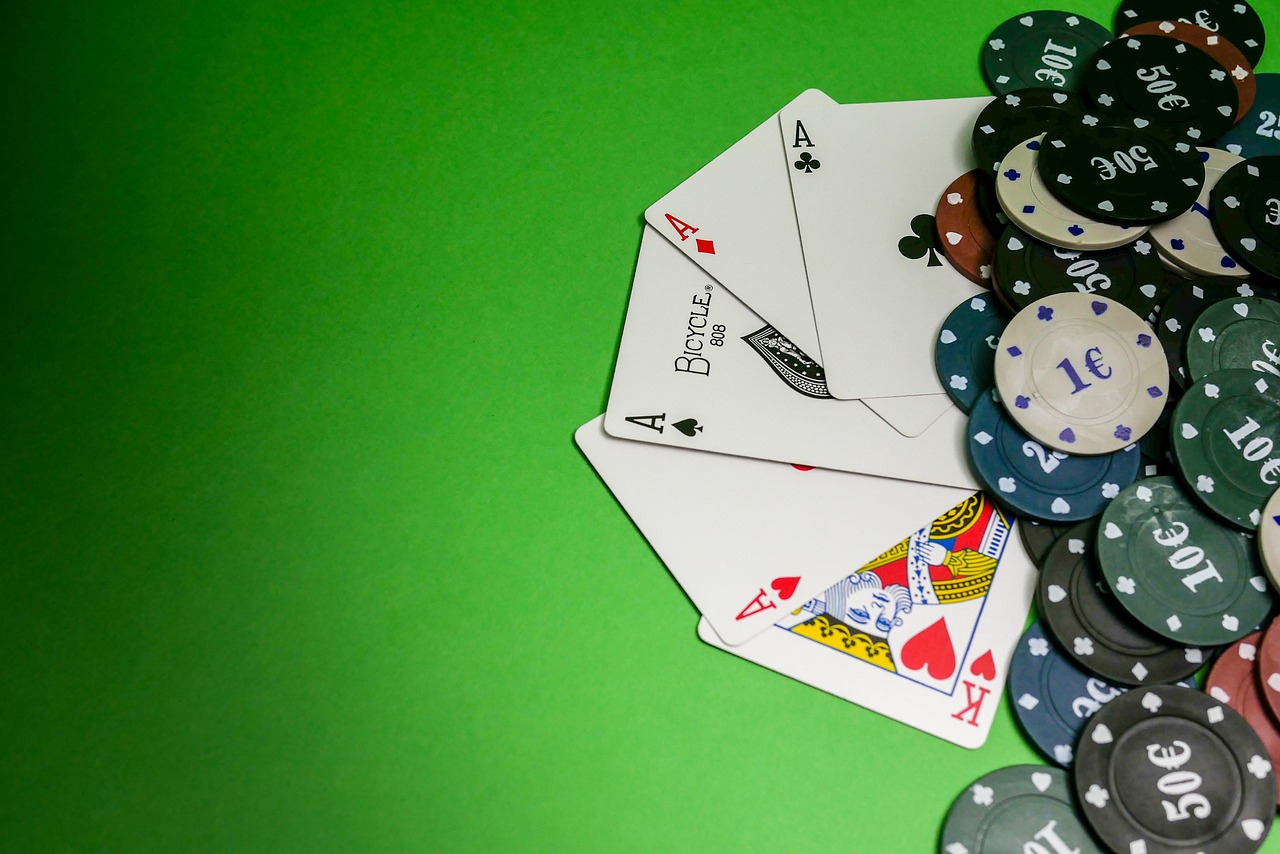
Ask ten gamblers why they lose and you'll get ten different answers, most of them wrong. They'll blame the software, the dealer, the algorithm, or a stretch of cursed luck that supposedly started when they spilled coffee on their keyboard. The honest answer is simpler and far less dramatic: most players lose because they don't understand the arithmetic underneath the games they're playing. That's not a moral judgment. It's just the house edge doing exactly what it was designed to do.
This isn't going to be one of those articles that tells you to "play responsibly" three times and calls it a day. You already know that. What's actually useful is understanding where your money goes, why certain games bleed you dry faster than others, and how the skilled minority in poker manages to profit where the slots player never will. slot mahjong is a solid starting point for anyone new to this.
The House Edge Isn't a Secret, It's Just Ignored
Every casino game has a built-in mathematical advantage for the house. The size of that advantage varies enormously, and it's the single most important number you can know before you sit down.
- Blackjack (basic strategy): roughly 0.5% house edge. Master the chart and you're fighting a very thin margin.
- Baccarat (banker bet): about 1.06%, which is why sharp players gravitate toward it.
- European roulette: 2.7%, thanks to the single zero. American roulette with its double zero doubles that to 5.26%.
- Slots: anywhere from 2% to 15%+, with the average online slot hovering around 4-6%.
- Keno and scratch-style games: often 20% or higher. Pure entertainment, terrible math.
That gap between baccarat and keno is enormous over a few hundred bets. Ten thousand dollars wagered at a 1% edge costs you $100 in expected value. At 20%, it costs $2,000. Same money, wildly different outcome. The games you choose matter more than how "lucky" you feel on a given night.
Why Slots Get Unfairly Maligned (and Where the Criticism Is Valid)
Slots are the most popular games in any online casino, and they're also the most misunderstood. Modern video slots use random number generators that spin millions of times per second, completely independent of the last spin, the last hundred spins, or how long you've been sitting there. There is no such thing as a slot that's "due" to hit.
What actually matters is RTP (return to player) and volatility. An RTP of 96% means that over millions of spins, the machine returns 96 cents per dollar wagered. Your session might end in five minutes, but the math is fixed across the lifespan of the game.
Volatility is the part players neglect. A low-volatility slot pays small amounts frequently—gentle, grindable, good for stretching a bankroll. High-volatility slots like the Megaways titles or Book of-style games pay rarely but can hit 5,000x your stake. If you deposit $50 and play a high-volatility slot at $2 a spin, you'll likely bust before anything lands. That's not bad luck; it's a mismatch between your bankroll and the game's personality.
A practical slot tip
Check the RTP before you play. Most reputable casinos publish it, and legal jurisdictions like the UK require it. Anything under 95% is a tough game in the long run. Anything at 97% or above is a gift.
Poker Is the Only Game Where Skill Beats the House
Here's the thing that separates poker from everything else on this list: you're not playing against the casino. You're playing against other people, and the casino just takes a rake. That rake matters—usually 5% capped at a few dollars per pot—but it's a surmountable cost if you're better than your opponents.
Poker is genuinely beatable. Not easily, not for everyone, but the math allows for long-term winners. Dozens of players make a living at it online. That's not true of slots, roulette, or baccarat, no matter what the guy in the forum tells you.
What separates winning poker players from losing ones is roughly this:
- Position awareness. Acting last gives you information. It's worth more than good cards.
- Bankroll management. A winning player with a $200 bankroll shouldn't be sitting at $2/$5. Standard guidance is 20-30 buy-ins for cash games.
- Range thinking. Amateurs put opponents on specific hands. Pros put them on ranges and adjust.
- Emotional control. Tilt destroys more bankrolls than bad beats ever have.
The catch is that the modern online poker pool is tough. The easy money dried up around 2010. If you're new, play micro-stakes, study solvers, and treat the first year as tuition.
Sports Betting: Beating the Closing Line Is the Whole Game
Sports betting is popular because it feels like knowledge matters. It does, but not in the way most bettors think. Knowing football doesn't automatically make you profitable; knowing where the market has mispriced a team does.
Professional bettors measure themselves against the closing line—the final odds before kickoff. If you consistently get better odds than the closing line, you're likely profitable long term. If you're always taking the worst of it, you're losing, even when you win the bet.
A few concrete realities:
- Standard juice is -110 on each side of a spread, meaning you need to win 52.4% of bets just to break even.
- Line shopping across multiple books can add 1-3% to your long-term return. It's the single easiest edge available.
- Prop bets and same-game parlays usually carry higher margins. Fun, but expensive.
- Anyone selling "guaranteed picks" is selling you something other than math.
The Bankroll Rules Nobody Follows
All the game knowledge in the world is useless if you deposit your rent money on a Tuesday night. Gambling should come from a separate, disposable budget—money you would be genuinely fine losing.
As a working rule, keep your session stake to no more than 5% of your total gambling bankroll, and never chase losses with money you didn't plan to spend. The moment you start betting to "get back" to even, you've stopped playing and started scrambling.
Track your results. Actually track them, in a spreadsheet. Most players drastically overestimate how often they win and underestimate how much they've deposited over a year. The spreadsheet doesn't lie the way memory does.
The Bottom Line
There's nothing mystical about gambling. The games are math problems dressed in flashing lights and commentary. Slots and roulette and keno are entertainment products with a built-in cost, and the only real decision you make is how much you're willing to pay for the experience. Poker and, to a lesser degree, sports betting are the two arenas where a disciplined player can actually push the long-term expectation in their favor.
Pick your games with intention. Know the edge before you sit down. And when the math says walk away, walk. That's not a slogan—it's the whole strategy.